Water filtration & softening in San Diego, CA.
Whole-house filtration, salt-free conditioning, water softeners, reverse osmosis, and contaminant removal across San Diego. We start with a free in-home water test, and a real person answers the phone.
What San Diego water projects actually look like
San Diego water is hard and chloramine-treated. That combination is the single most important fact about tap water quality across the city, and it affects every household regardless of neighborhood. The municipal supply is a blend of Colorado River water and State Water Project imports, both naturally hard, treated with chloramines as the primary disinfectant rather than free chlorine. The result is water that consistently measures 17-20+ grains per gallon of hardness and carries chloramine chemistry that requires catalytic carbon to neutralize, not standard activated carbon.
Hard water does measurable damage over time. Scale accumulates inside water heaters, reducing efficiency and shortening lifespan. It coats the heating elements in dishwashers, clogs showerhead orifices, leaves chalky deposits on glass shower doors and faucets, and is a primary cause of the dry skin and dull hair that San Diego residents frequently attribute to the climate rather than the water. A whole-home water softener or our salt-free PF1025 catalytic media conditioner eliminates scale at the source, before the water reaches any fixture in the house. For drinking and cooking, a dedicated reverse osmosis system at the kitchen sink removes chloramines, disinfection byproducts, and residual mineral content that whole-home treatment does not address. The free in-home water test is how we start every San Diego project, our technician tests your specific tap water on-site and walks through the results before recommending anything.
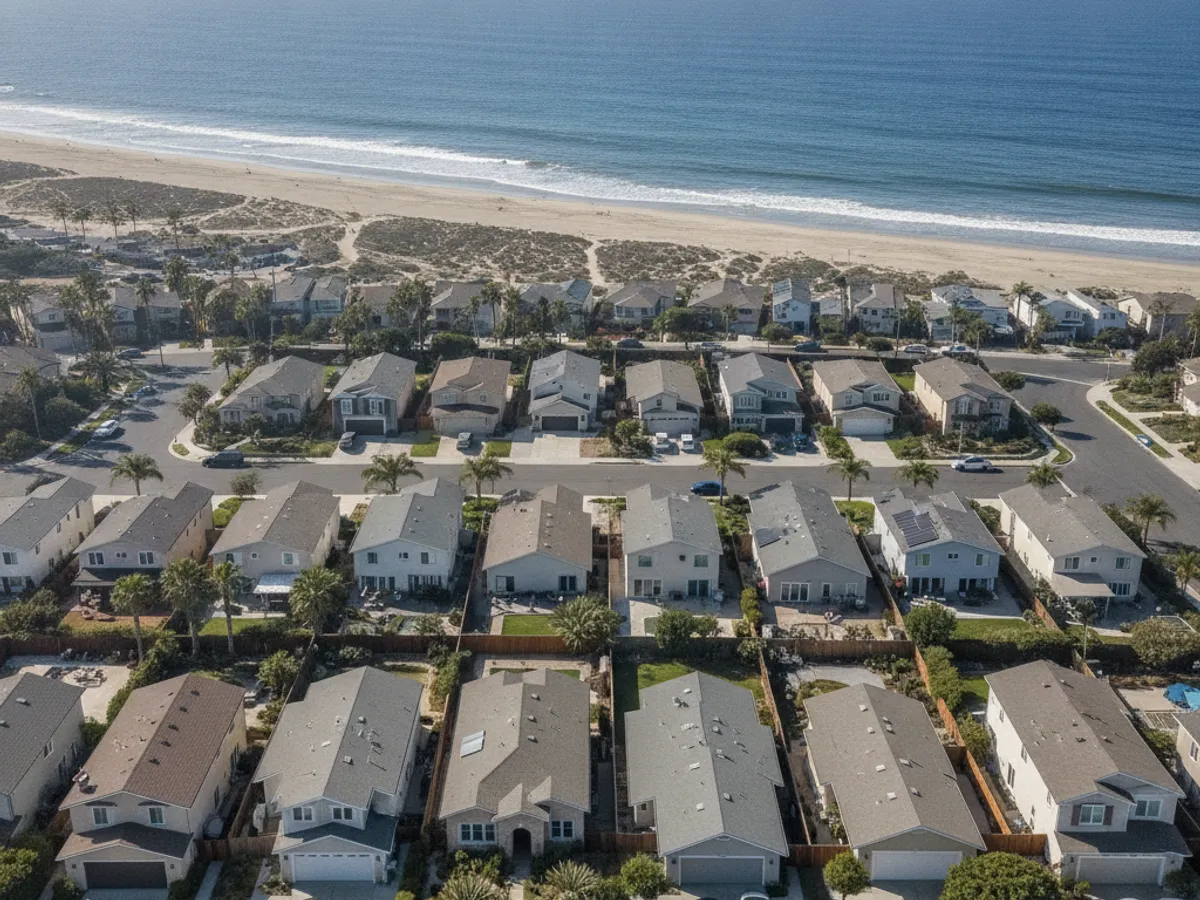
What does San Diego water need?
Coastal San Diego homes run on very hard imported water, around 17 to 20 grains per gallon, disinfected with chloramine. Salt air also corrodes standard equipment housings, so the tank material matters. We install medical-grade stainless steel tanks that don't rust or break down, paired with catalytic carbon for the chloramine and salt-free conditioning that leaves no sodium in your water.
Working details for San Diego water systems
Whole-home water treatment in San Diego requires addressing two separate problems: hardness and chloramine chemistry. Standard water softeners handle the hardness through ion exchange but do not filter the water. Standard carbon filters handle taste and odor but do not fully neutralize chloramines. Our whole-home systems combine catalytic carbon media for chloramine removal with either a salt-based softener for complete hardness removal or the salt-free PF1025 TAC conditioner for scale prevention without sodium addition. The PF1025 media uses template-assisted crystallization to convert dissolved calcium and magnesium into microscopic crystals that pass through plumbing without bonding to surfaces, meaning no scale without salt, no brine discharge, and no bags to maintain.
For drinking water, the under-sink reverse osmosis system is the most complete solution available. A five-stage RO unit filters down to 0.0001 micron, removing chloramines, trihalomethanes and other disinfection byproducts, nitrates, arsenic where present, and the residual mineral hardness that makes San Diego tap water taste flat. San Diego's water meets EPA standards and is safe to drink, but treated water and great-tasting water are not the same thing. The combination of a whole-home conditioner for scale and skin, plus an RO unit for drinking, gives a San Diego household the complete picture. All of our treatment tanks are medical-grade 304 or 316 stainless steel, the same grade used in medical and food-processing applications, not the fiberglass or plastic-liner tanks that degrade over a 10-15 year horizon and can affect water quality as they age.
San Diego neighborhoods we serve
- Downtown / East Village
- La Jolla
- Pacific Beach
- Point Loma
- Clairemont
- Linda Vista
- North Park
- Carmel Valley
- Mission Hills
- Kensington
How much does a water system cost in San Diego?
A whole-house water system in San Diego is priced to your actual water. After the free in-home test, most whole-house softening or salt-free conditioning setups run a few thousand dollars installed, with a reverse osmosis drinking system added at the kitchen for less. Financing is available, so the system fits the budget.
The in-home water test is free and there's no trip fee for San Diego. We give you an exact written price on the full scope before any work starts, with no pressure and no surprise line items.
What water services are available in San Diego?
Every service we offer is available in San Diego. Same technicians, same equipment, same honest pricing as the rest of the county.
Most San Diego jobs start the same way: someone notices scale, dry skin, or a funny taste and wants a straight answer about their water. We test the water in your San Diego home for free, show you what's in it, and size the right system, whole-house filtration, softening or salt-free conditioning, reverse osmosis drinking water, or targeted contaminant removal.
What do San Diego homeowners ask about their water?
How hard is San Diego water?
San Diego municipal water consistently measures 17-20+ grains per gallon of total hardness, placing it firmly in the "very hard" category by water quality standards. The hardness comes from calcium and magnesium dissolved in the Colorado River and State Water Project source waters before they ever reach San Diego. For context, water above 10.5 grains per gallon is classified as very hard, and San Diego typically runs well above that threshold. You will see the evidence in scale deposits on fixtures, water heater performance loss, dry skin after showering, and spotted glassware. A free in-home water test gives you the exact number for your specific tap.
What are chloramines and why does San Diego use them?
Chloramines are a disinfectant formed by combining chlorine with ammonia. San Diego and most large water utilities switched to chloramines because they are more stable than free chlorine, meaning they maintain disinfection effectiveness through the long distribution pipes serving a large city, and they produce lower levels of certain disinfection byproducts. The trade-off is that chloramines are harder for consumers to remove at home. Unlike free chlorine, they do not off-gas from water left standing, and standard activated carbon does not fully neutralize them. Catalytic carbon specifically designed for chloramine reduction is required. Our whole-home filtration systems use catalytic carbon media to address San Diego's chloramine-treated supply.
What is the difference between a water softener and the salt-free PF1025?
A traditional water softener uses ion exchange to physically remove calcium and magnesium from the water and replace them with sodium ions. The result is fully softened water with a slightly slick feel, and the system regenerates periodically using salt, discharging a brine solution to drain. Our salt-free PF1025 catalytic media conditioner uses template-assisted crystallization (TAC) to change the physical form of calcium and magnesium so they cannot bond to surfaces and form scale. The minerals remain in the water but behave differently, passing through your plumbing without depositing. No sodium is added to the water, no salt bags to maintain, no brine discharge. Both approaches are effective for scale prevention in San Diego conditions. The right choice depends on your preferences and household situation, which is what the free in-home consultation is for.
Do I need a reverse osmosis system if I already have a water softener?
A whole-home softener or conditioner handles scale and protects fixtures and appliances, but it does not filter your drinking water to the same standard as a dedicated reverse osmosis system. An under-sink RO unit removes chloramines, disinfection byproducts like trihalomethanes, nitrates, arsenic if present, and the residual dissolved mineral content that gives San Diego tap water its flat or chalky taste. Most San Diego households who add an RO unit after already having whole-home treatment comment that the drinking water tastes completely different. The two systems solve different problems and work well together.
What does the free in-home water test measure?
Our free in-home water test measures hardness (grains per gallon), total dissolved solids (TDS), pH, chlorine and chloramine presence, iron if applicable, and any other parameters relevant to your specific situation. A Filter Pros technician comes to your home, tests your tap water on-site with calibrated instruments, and walks through the results with you in plain language. There is no charge for the test and no obligation to purchase. The test takes about 30-45 minutes and gives you a clear picture of what is actually in your water before any treatment decision is made.
Other communities near San Diego
Where we work in San Diego
We serve San Diego and the surrounding area daily.
Want cleaner water in San Diego?
Free in-home water test. Whole-house filtration, softening, reverse osmosis, contaminant removal.